The right buyer, before the shelf life runs down.
Food & Consumer Products
Nothing here can be fixed after the fact. A pallet six hours off temperature cannot be re-graded, so the specification and the cold-chain obligations are settled before anyone books a lorry.
We work both ends — growers and mills with volume to move, wholesalers and caterers who need a known quantity on a known day — and we own the terms between them until the load is accepted.
- What we source
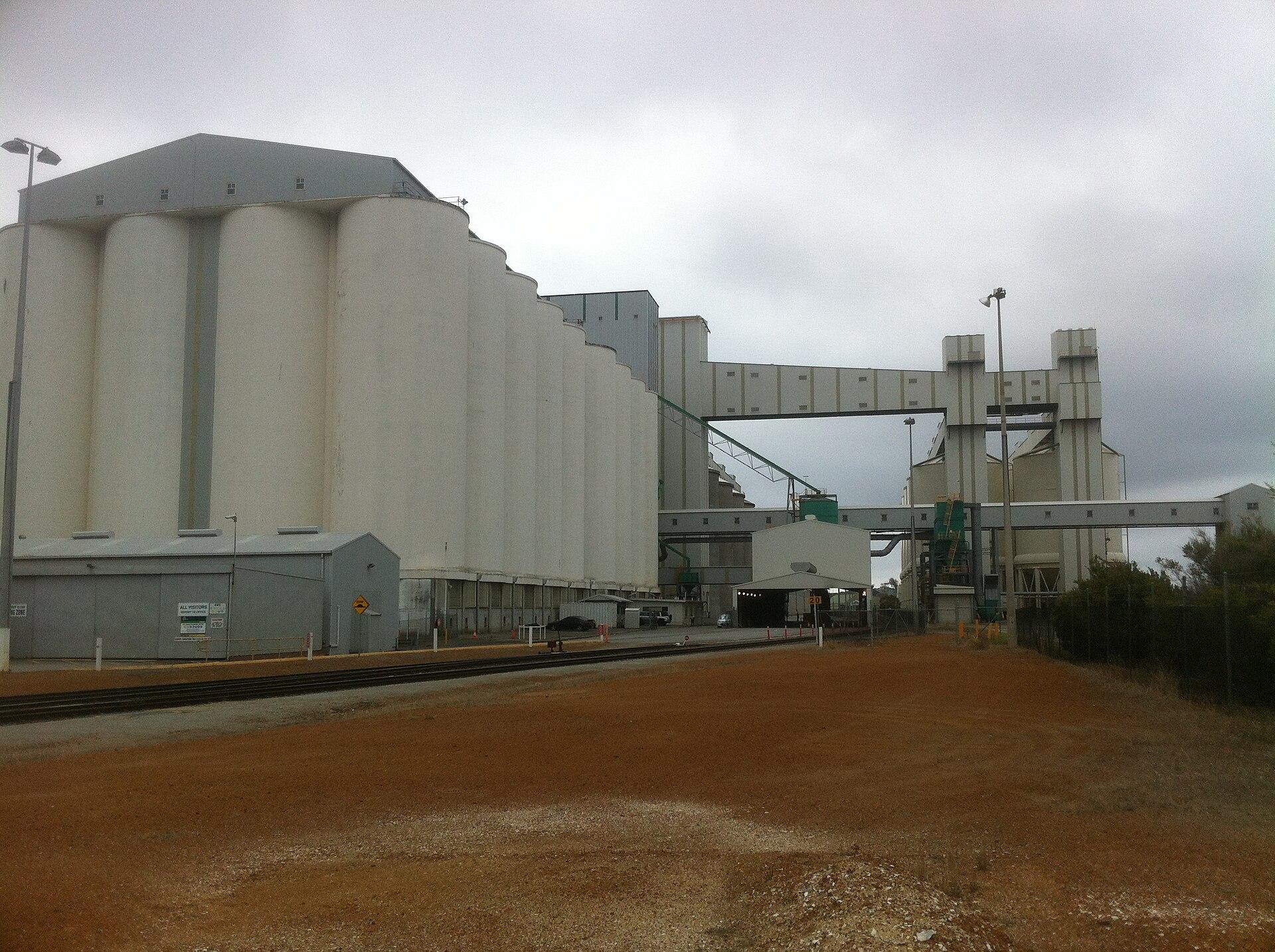
- Grains, pulses, oils, dried goods and packaged lines from growers, mills and producers, contracted or surplus.
- Who we supply
- Wholesalers, caterers, retail groups and manufacturers, against an agreed specification and delivery window.
What we handle.
Each line runs both ways — placed for sellers, sourced for buyers.
- Dry goods
- Sourced in bulk and matched to buyers in the pack size their line actually runs.
- Grains
- Pulses
- Flour
- Sugar
- Edible oils
- Chilled and frozen
- Placed only with counterparties whose cold chain we have checked, with logging written into both sides’ terms.
- Chilled
- Frozen
- Cold chain
- Logged transport
- Packaged and household
- Branded and own-label lines matched to retail and wholesale buyers, short-dated volume priced accordingly.
- Branded
- Own-label
- Household
- Short-dated
Who we are
- A broker that finds the buyer before the season ends, not after.
- A quote for what a supplier can actually deliver, never the best case and an apology later.
- Cold chain and shelf life treated as contract terms, not as shipping detail.
What sets us apart
- Temperature logging is a condition of acceptance, so a break is traceable to the hour.
- Shelf life quoted as remaining days on arrival, not a production date to work backwards from.
- One contact both ways — placing surplus and sourcing stock is the same relationship.
Looking ahead
- More growers, so a poor season in one region is not a gap in your order book.
- More counterparties on direct contracts, priced without a chain of margins on top.
- Remaining shelf life quoted on every enquiry, not on request.
- A shorter route from producer to buyer, with fewer places for the cold chain to break.
How an order runs.
Three steps, whichever way the goods are moving.
- 01
What you need, and what it is worth
Volume, specification and date. We come back with a price against that, not a range.
- 02
Counterparty, terms and route
We find the other side and fix the grade, terms and route in writing. Landed cost is known before anything moves.
- 03
Shipped, inspected and documented
We arrange freight and independent inspection, and stay on it until the paperwork matches the contract.
A partner at both ends of the chain
For growers, we find the buyer and get the payment terms agreed before volume is committed.
For wholesalers and caterers, we know which supplier can actually hold your specification this month.
Other divisions
- Built, shipped, supportedConsulting ServicesCustom software, cloud and IT support — with real depth in the trade and logistics systems we run ourselves.
- Sellers and buyers, matchedAutomotive & ManufacturingScrap and factory waste placed with the refiners and mills that want it; graded metal, parts and machinery sourced for industry.